Living in Phoenix Desert: What Daily Life Is Like
June 18, 2026
June 18, 2026
If you are wondering whether Phoenix feels more like a fast-growing city or a desert outpost, the honest answer is both. Daily life here is shaped less by mileage on a map and more by heat, shade, and the kind of neighborhood you choose. If you are considering a move or simply trying to picture what living here is really like, this guide will help you understand the rhythms, tradeoffs, and comforts that define life in Phoenix. Let’s dive in.
In Phoenix, the weather does not just influence your plans. It often sets them. According to NOAA’s 1991 to 2020 normals for Phoenix Sky Harbor, the city has an annual average high of 87.1°F, an annual average low of 64.1°F, and only 7.22 inches of precipitation each year.
That dry heat is not a short summer phase. Phoenix averages 111.3 days each year with highs at or above 100°F, plus 173.4 days at or above 90°F. In practical terms, managing heat becomes part of normal life, much like winter weather shapes routines in colder regions.
The seasonal contrast is also real. January averages 67.6/46.0°F, while June, July, and August average 104.2/78.6°F, 106.5/84.5°F, and 105.1/83.6°F. By December, temperatures return to a milder 66.2/45.3°F, which helps explain why outdoor living feels especially open and active through the cooler months.
One of the first things many newcomers notice is that Phoenix teaches you to think about when you do things. Morning and evening become prime time for walks, workouts, errands, and patio time. Midday, especially in the hottest months, often calls for shorter outdoor windows and a sharper focus on shade.
This rhythm is reflected in the city’s heat-response efforts and public guidance. Heat safety, cooling resources, and shade are not fringe concerns here. They are part of everyday life.
That does not mean people stop going outside in summer. It means they adapt. You learn quickly that an early start, a shaded route, and a cool place to return to can make all the difference.
Even with the heat, Phoenix offers a remarkable amount of outdoor access. The City of Phoenix says residents have more than 41,000 acres of desert parks and mountain preserves, more than 200 miles of trails, 187 parks, 33 community and recreation centers, and 29 pools.
That range matters because it gives you options. Some days that may mean a trail at sunrise. Other days it may mean a swim, a shaded neighborhood park, or a community center rather than a long afternoon hike.
South Mountain Park/Preserve is one of the clearest examples of how outdoor life works in Phoenix. It spans more than 16,000 acres and includes more than 100 miles of trails. The park is open from 5 a.m. to 11 p.m., which fits the city’s early-and-late outdoor rhythm.
The city also notes that more than 200 hikers are rescued annually from its desert and mountain parks and preserves. That is a useful reminder that desert recreation here is rewarding, but it also calls for planning and respect for the conditions.
In Phoenix, shade is not just a nice feature. It can change how a street, yard, trail, or patio feels. The city says shade can make up to a 30-degree difference in the hottest months.
Tree canopy also varies widely across the city. Phoenix reports a range from 2% to 30% across census tracts, with a median of 11%. That means your block-to-block experience can feel very different depending on tree cover, building placement, and access to shaded routes.
This is one reason two homes that are only a few miles apart can feel very different in daily use. A shaded yard, covered patio, or tree-lined walking route can have a real impact on comfort.
A common question is whether Phoenix feels urban or suburban. The answer depends heavily on where you are. The city is divided into 15 urban villages, and those villages create very different day-to-day settings.
Central City functions as the downtown urban center and includes some of the city’s oldest neighborhoods and historic districts. Camelback East includes a diverse housing mix, with much of its housing stock built between 1950 and 1970. North Mountain combines central corridor, foothill, and suburban housing patterns.
Maryvale includes both older homes and newer single-family subdivisions. Paradise Valley Village is shaped in part by open space, mountain preserve access, and greenbelt trail systems. For buyers, this variety is important because your daily life in Phoenix can feel walkable and urban, foothill-oriented, or largely suburban depending on where you land.
If you are drawn to a more connected urban lifestyle, downtown Phoenix offers a different pace than many of the city’s lower-density areas. Visit Phoenix describes downtown as a place where restaurants, nightlife, galleries, and other destinations are often a short walk, bike ride, or five-minute car ride apart.
That kind of proximity can make daily life feel more spontaneous. You may not need to plan every outing around a long drive. For some buyers, especially those relocating from larger metro areas, that can make the core feel more familiar.
Downtown also includes places like The Square PHX, where preserved 19th- and 20th-century homes have been repurposed into restaurants, bars, and museum-adjacent destinations. That mix of historic texture and newer urban energy gives parts of Phoenix a layered feel that surprises many first-time visitors.
Phoenix is still a car-oriented city in many areas, but transit plays a meaningful role in and around the urban core. Valley Metro Rail offers 35 miles of service, 49 stations, 365-day operation, and more than 20 hours of daily service.
The A and B lines connect downtown Phoenix, South Phoenix, northwest Phoenix, Tempe, Mesa, and the airport via PHX Sky Train. If you live near rail, some errands and outings can happen without getting behind the wheel.
The Grand Canalscape adds another practical layer to city movement. This 12-mile continuous multi-use trail includes lighting, seating, and signalized crossings, offering a corridor that works for walking, biking, and neighborhood connection.
Phoenix’s food scene also carries the mark of the Sonoran Desert. Visit Phoenix describes Sonoran food as a local style that uses ingredients such as chiltepin chiles, mesquite, prickly pear, tepary beans, and nopales across a wide range of dishes and drinks.
That desert influence gives the city a sense of place that goes beyond scenery. The flavors often feel grounded in the landscape itself. For people relocating here, that connection between environment and everyday dining becomes part of what makes Phoenix distinct.
In practical terms, daily life can include both neighborhood staples and downtown dining clusters. You get a blend of desert identity and urban variety rather than just one or the other.
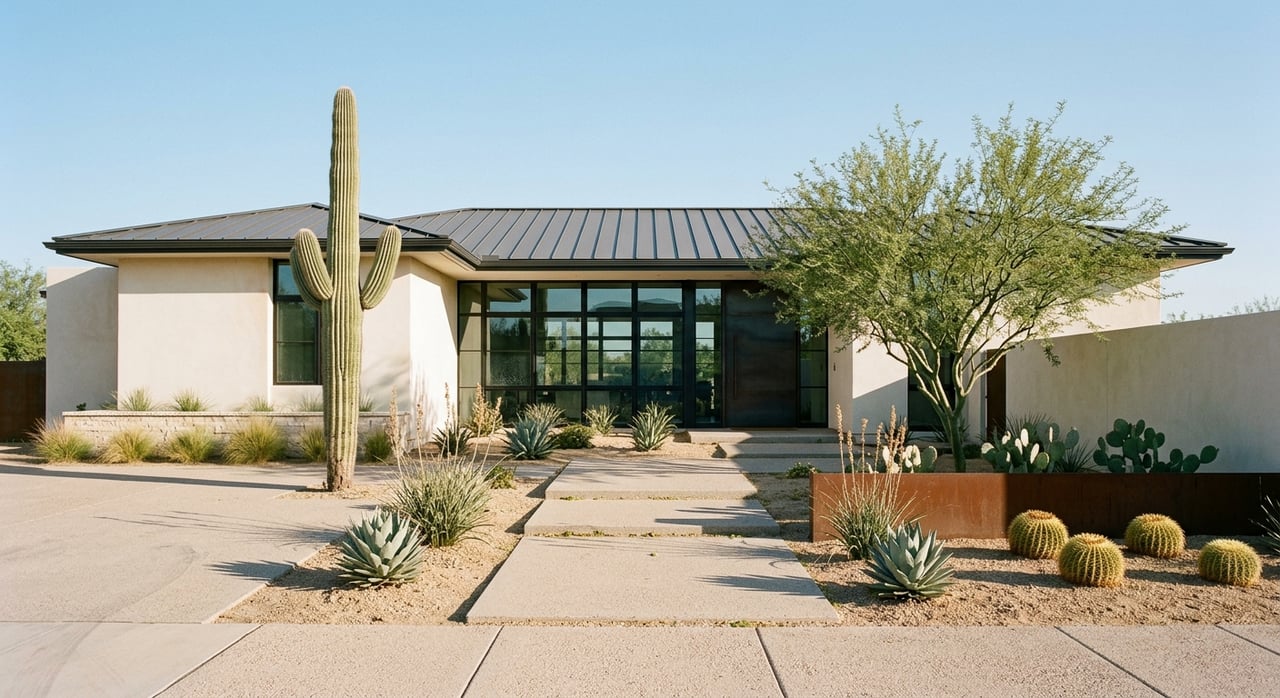
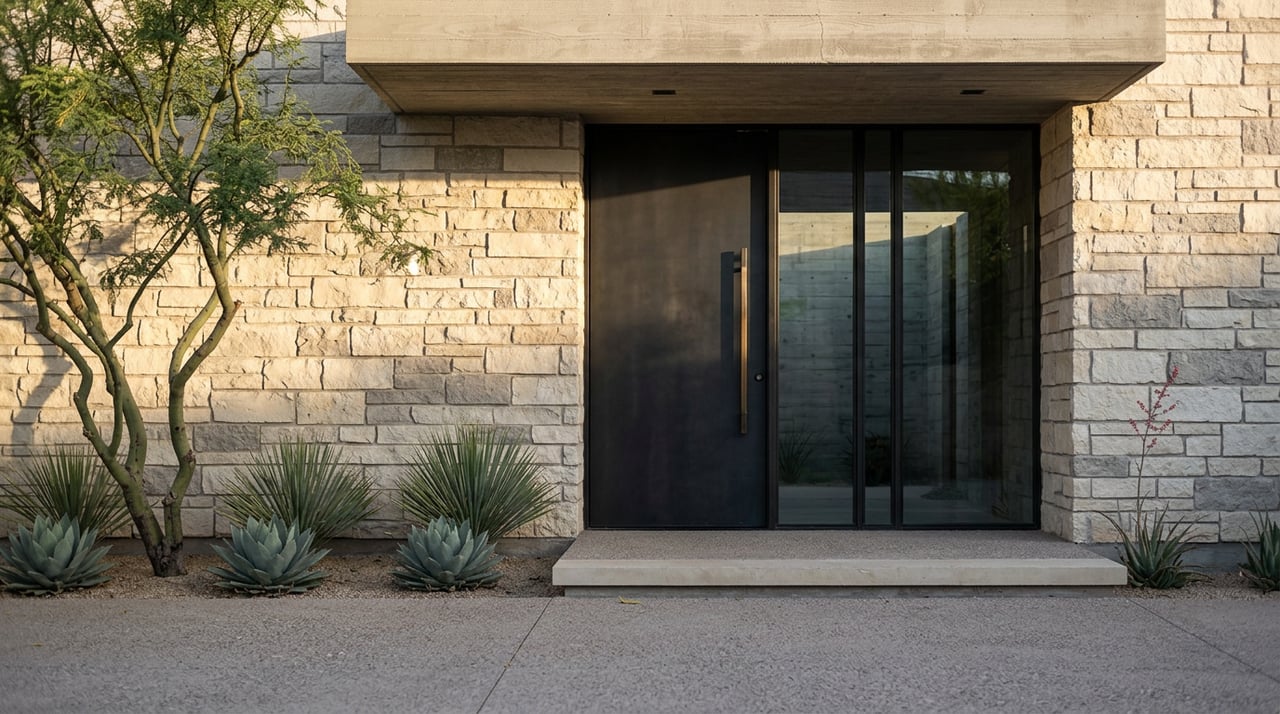
One of the most noticeable differences in Phoenix living is the way homes and yards respond to the climate. City water guidance says up to 70% of household water use can happen outdoors. That helps explain why many Phoenix properties are organized around shade trees, efficient irrigation, and low-water landscaping rather than large irrigated lawns.
University of Arizona Extension adds more context. In the low desert, evaporation is about 70 to 80 inches a year, while precipitation is only 4 to 12 inches. For homeowners, that makes drought-tolerant planting choices and smart irrigation design especially important.
A well-functioning Phoenix yard often prioritizes comfort and efficiency. That may mean shaded seating areas, desert-adapted plants, and outdoor spaces designed for lower water use and easier upkeep.
Inside the home, comfort often comes down to how well the property handles heat. The City of Phoenix points to air sealing, efficient lighting and appliances, attic insulation and ventilation, and heating and cooling equipment repairs or replacement as key parts of home efficiency.
Phoenix preservation guidance also highlights window treatments, shade trees, insulation, duct sealing, efficient windows, and heat-pump or air-conditioner upgrades. In real life, this means homes tend to live better when they are shaded, sealed, and designed to keep heat out.
This is especially helpful for buyers to understand during showings. In Phoenix, livability is not just about square footage or finishes. It is also about how a home performs in the desert climate day after day.
Phoenix says it is one of the best cities for solar energy, with about 300 days of sunshine each year. That level of sun supports the local appeal of solar panels, covered patios, and outdoor rooms designed for morning or evening use.
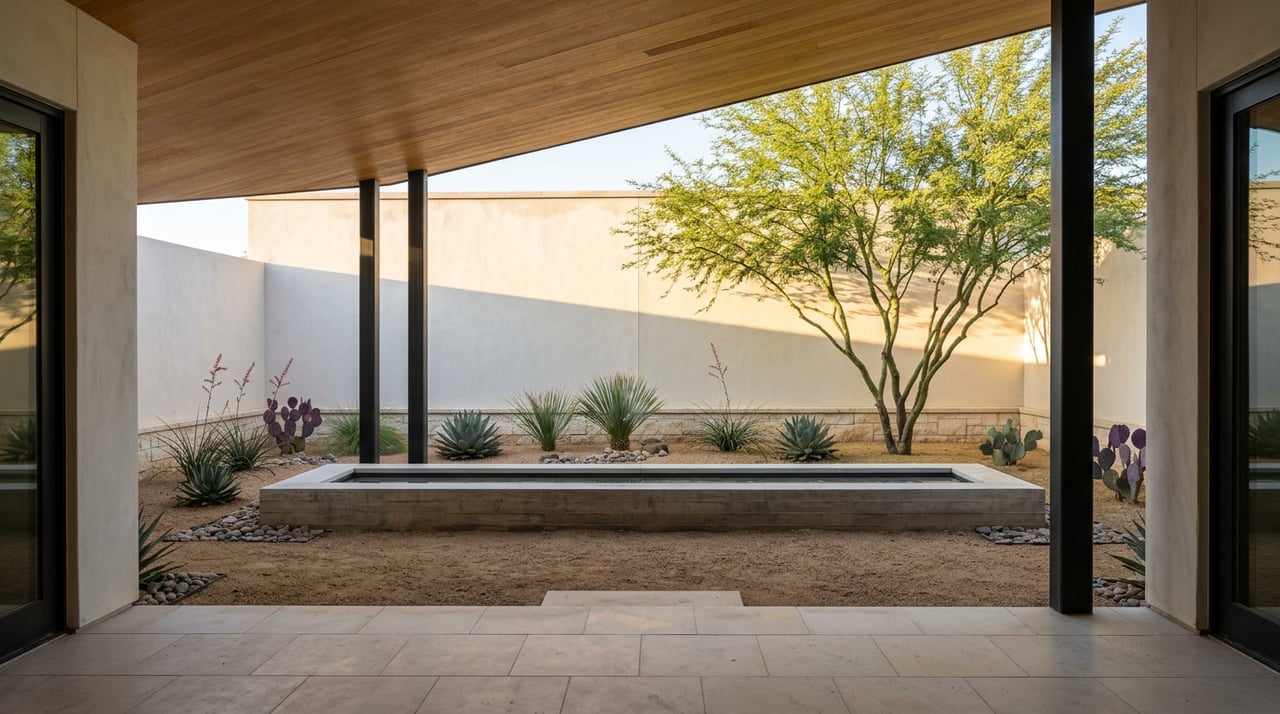
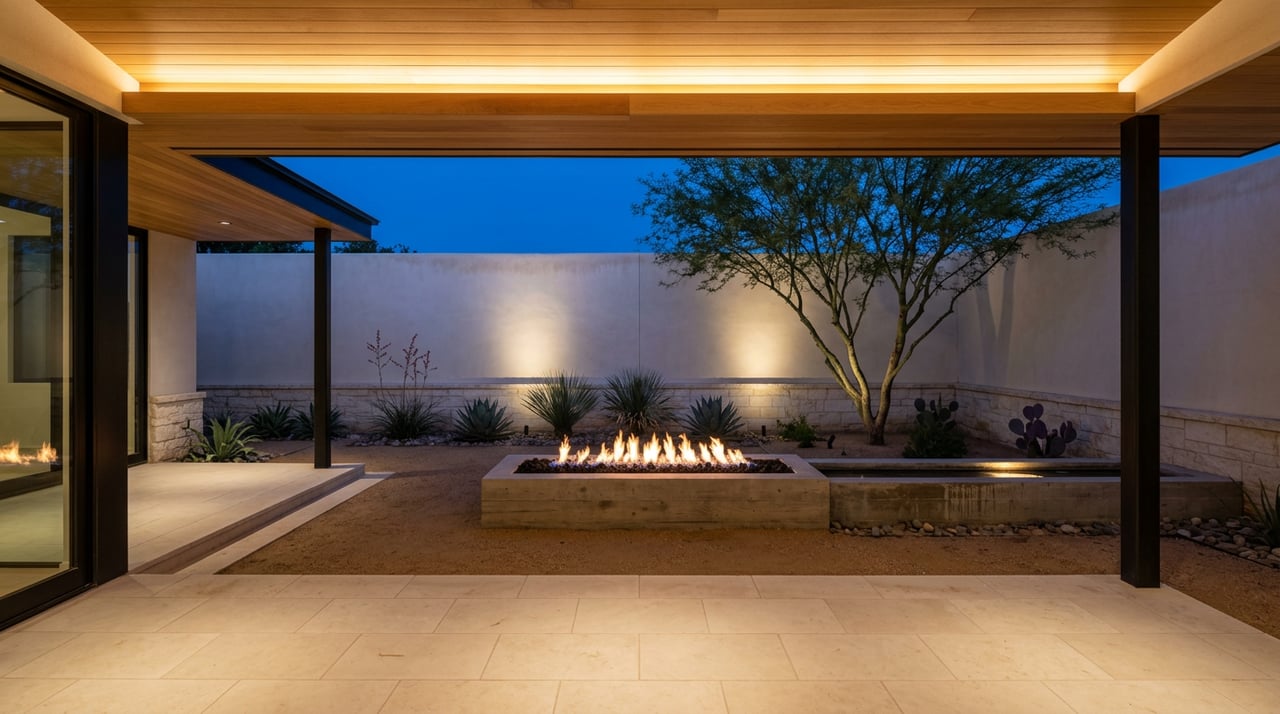
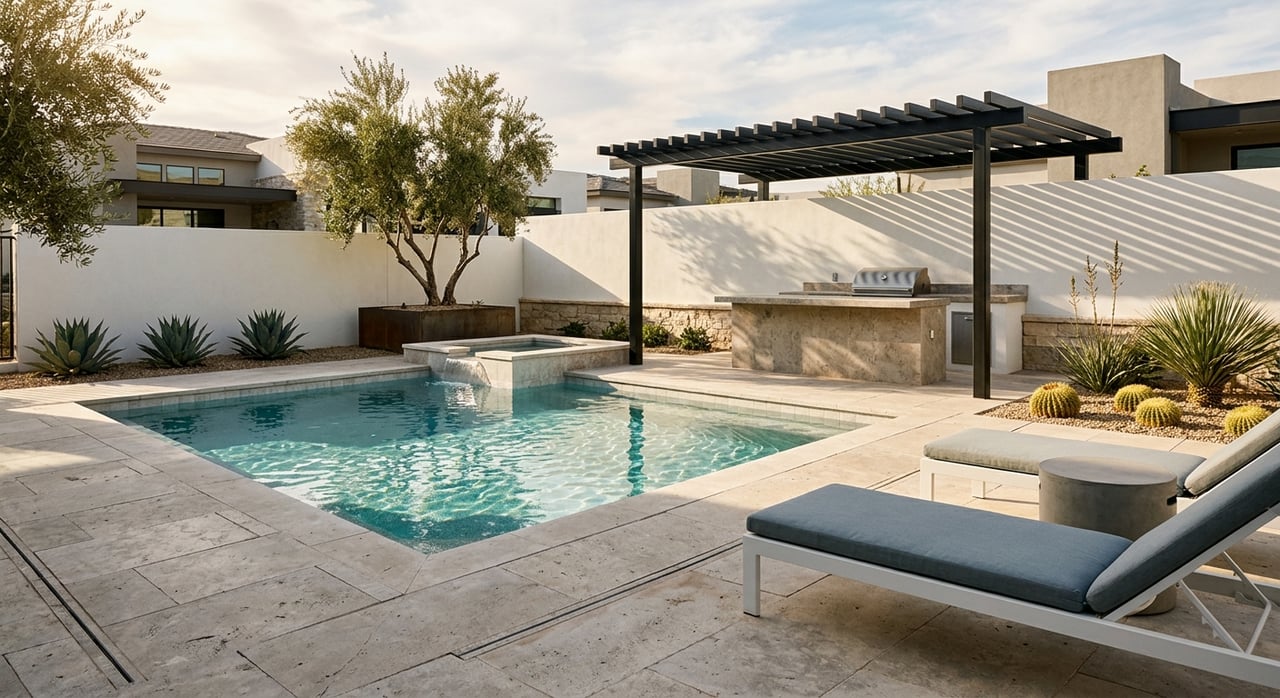
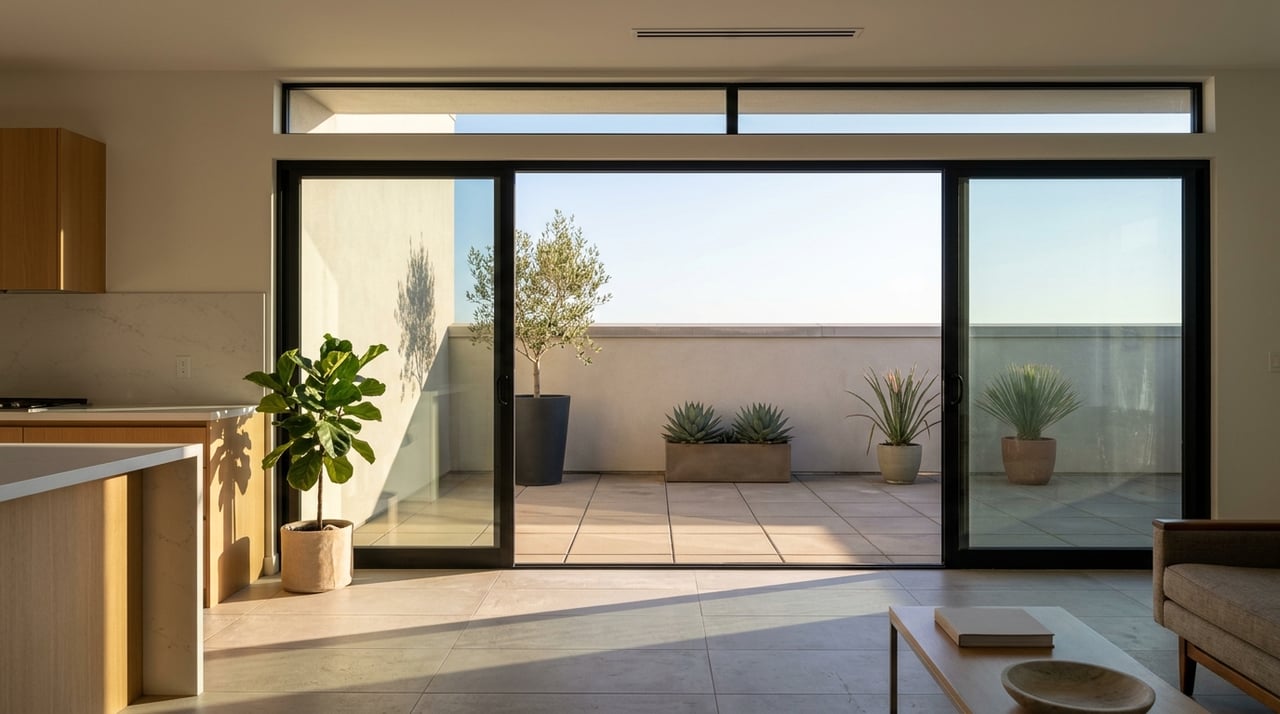
For many homeowners, the goal is not simply to have outdoor space. It is to have outdoor space that works in the climate. A shaded patio, pool area, or well-positioned courtyard can become part of your normal routine for much of the year.
That is one reason desert-lifestyle design resonates so strongly here. Homes that blend indoor comfort with protected outdoor living often feel especially well suited to Phoenix.
At its core, Phoenix feels like a city where climate, neighborhood form, and home design all matter in a very direct way. Your experience can shift based on shade coverage, trail access, proximity to downtown, and whether your home is built to handle heat efficiently.
For some people, that means sunrise walks, evening dinners outdoors, and winter weekends spent on trails. For others, it means choosing a home with strong cooling performance, lower-water landscaping, and easier access to urban amenities or transit.
If you are relocating, this is one of the most important things to understand: in Phoenix, daily life is not defined by desert scenery alone. It is defined by how well your routine and your home fit the desert.
If you want help comparing Phoenix areas, evaluating home features that matter in the heat, or narrowing your search with a clear local lens, Taylor Mason offers a calm, service-first approach designed to help you make confident decisions.
Stay up to date on the latest real estate trends.
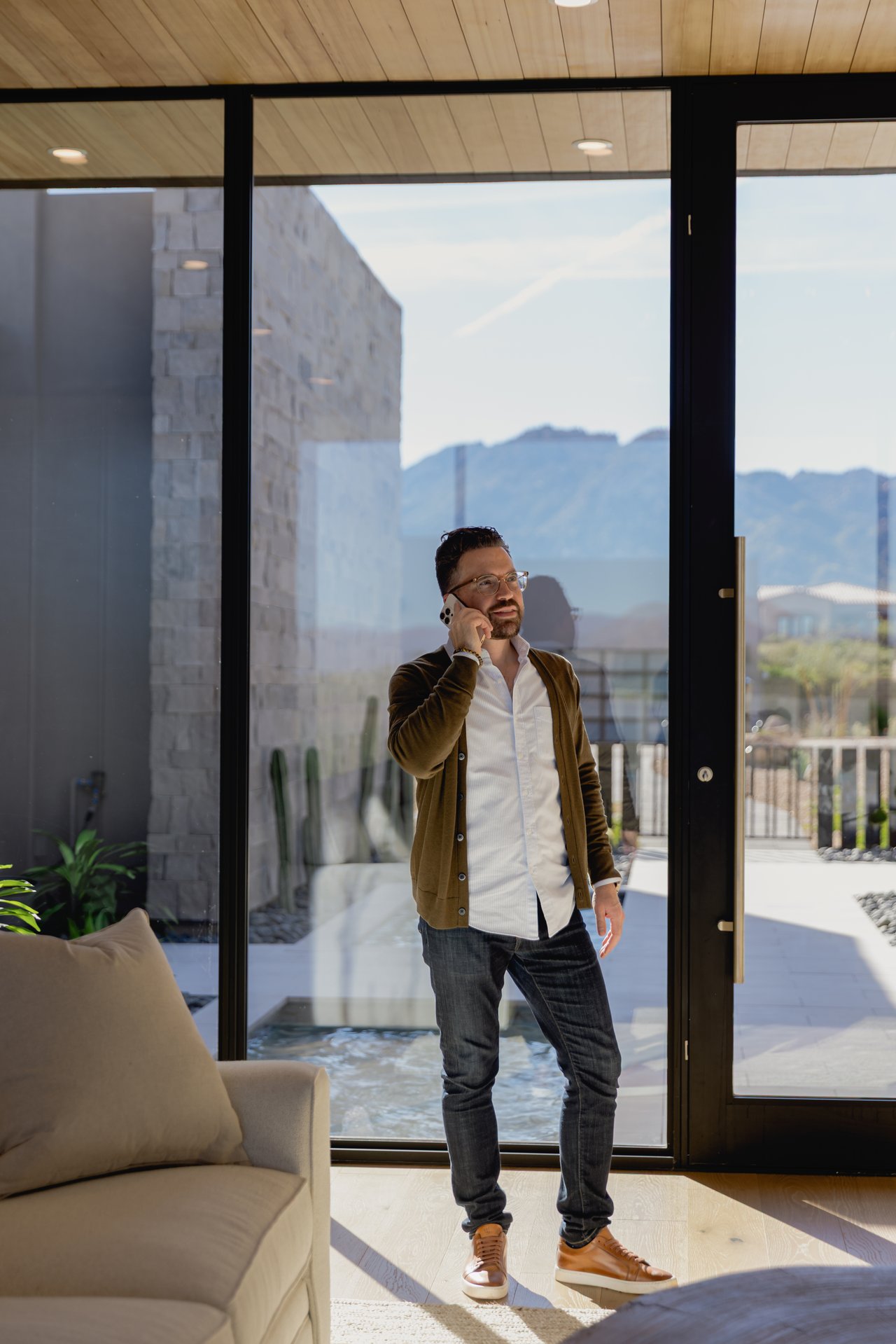
I approach real estate the same way I approached the restaurant and hospitality world—as a service profession first. With a background spanning executive chef leadership, international business, and high-stakes negotiations, I bring a level of care, adaptability, and calm that my clients immediately feel.
TAYLOR MASON - RESIDENTIAL
ADDRESS 4222 N Marshall Way Ste A Scottsdale AZ 85251