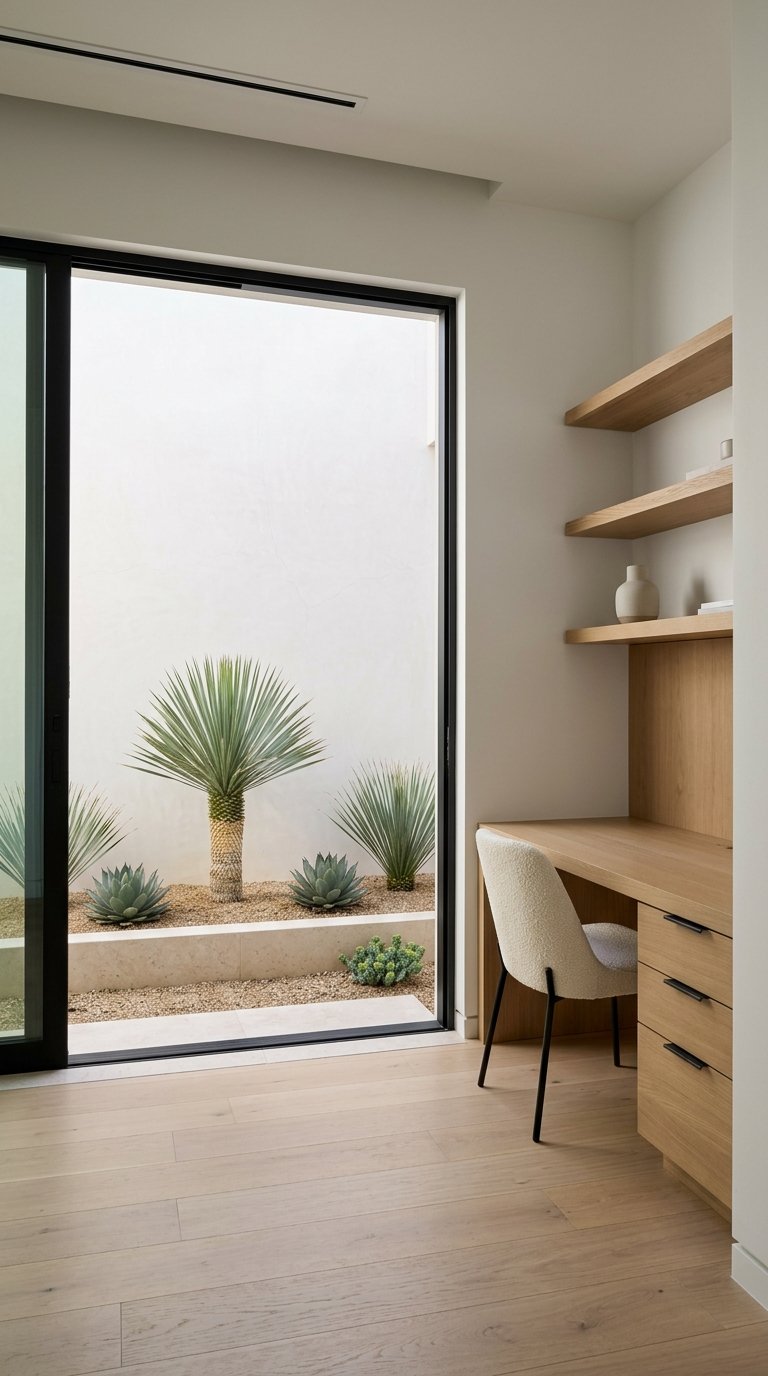
Phoenix Housing Market Trends Every Buyer Should Watch
May 7, 2026
May 7, 2026
If you have been wondering whether Phoenix is finally giving buyers a little breathing room, the short answer is yes. But that does not mean every home is suddenly a bargain or every offer can come in low. If you are planning a move, especially on a real-world budget and timeline, understanding what is actually happening in the market can help you make calmer, smarter decisions. Let’s dive in.
The latest March 2026 local MLS data shows a market with more inventory and a slower pace than a year ago. For single-family homes, inventory rose 5.3% year over year to 22,040 homes, and months of supply increased to 4.4. Average days on market also climbed to 79.
That added supply matters because it gives you more time to compare homes, study pricing, and avoid rushing into a decision. At the same time, closed sales were up 10.0%, which tells you buyers are still active. This is not a stalled market. It is simply a more balanced one than Phoenix buyers saw during the tightest years.
One of the biggest mistakes buyers can make is treating Phoenix like one single market. Right now, single-family homes and townhouse or condo properties are behaving differently.
Townhouse and condo inventory rose 13.3% year over year to 4,857 homes, with months of supply climbing to 6.7. Average days on market reached 84. That is a softer setup than the single-family side, and it usually means attached-home buyers have more choices and a little more negotiating room.
Single-family homes are still comparatively tighter. Even with more inventory than last year, they tend to move faster than condos and townhomes. If you are shopping for a well-located detached home, you may still need to act decisively when the right one hits the market.
For everyday buyers, this may be the most important point: Phoenix pricing has softened, but the shift is modest rather than dramatic. In March 2026, the median sales price for single-family homes was $486,895, down 1.4% from March 2025. For townhouse and condo homes, the median was $350,000, down 4.6% year over year.
That tells you two things. First, buyers are no longer facing the same rapid appreciation that made timing feel impossible. Second, attached homes have been under more price pressure than detached homes, so buyers looking at condos or townhomes may see more flexibility.
Other city-level measures point in the same general direction. Redfin reported a Phoenix median sale price of $460,000 in March 2026, down 5.2% year over year, while Zillow’s Phoenix home value index was $410,169 as of March 31, 2026, down 2.7% over the past year. These figures are measured differently, so they are best used as directional signals rather than direct comparisons. The common theme is softer pricing, not a sudden rebound.
A softer market does not mean sellers are giving homes away. The list-to-sale price data shows buyers may have some room to negotiate, but most deals are still landing fairly close to asking price.
In March 2026, Phoenix single-family homes sold at 98.1% of list price on average. Townhouse and condo homes sold at 97.3% of list price. Redfin also reported that Phoenix homes generally sell about 2% below list price, and 33.3% of listings had a price drop.
What does that mean for you in plain English? You should not assume every seller will accept a deep discount. But you also do not need to approach every home like it is a bidding war. If a listing has been sitting on the market or has already had a price reduction, there may be room for a measured offer below list.
A big reason the market feels looser is that pending sales have fallen sharply. March 2026 data shows pending sales were down 27.9% for single-family homes and 29.1% for townhouse and condo homes.
That slowdown helps explain why inventory has continued to build even as closed sales improved. For buyers, this often translates into less pressure to make an immediate decision on every property you tour. You may have more room to compare condition, layout, location, and monthly cost before moving forward.
Seasonality remains important in Phoenix. If you are trying to decide whether to buy now or wait, it helps to understand how inventory changes through the year.
Single-family new listings dropped to 4,940 in December 2025, then jumped to 8,798 in January 2026, 7,872 in February, and 8,291 in March. Inventory followed that same spring ramp, rising from 18,211 single-family homes in December to 22,040 in March. Townhouse and condo inventory increased from 3,862 to 4,857 over the same period.
For you, that means spring usually brings more choice. The tradeoff is that the best homes may still attract quick attention. If your move date is flexible, the current spring inventory can make your search easier because you have more options to evaluate side by side.
There is no perfect month that works for every buyer. Winter may bring fewer listings, while spring tends to offer more selection. The better question is whether today’s mix of inventory, pricing, and pace fits your move timeline and budget.
If you need more options, spring may work in your favor. If you already know the area and are watching a specific property type closely, you may not need to wait for a seasonal shift at all.
In this market, asking price alone is not enough to guide your offer. The better approach is to look at recent sold homes with a similar property type, condition, and location.
That matters even more in Phoenix right now because not every listing is moving at the same speed. A home that has been on the market for a while may support a softer opening offer. A clean, updated, well-positioned home may still require a stronger number and cleaner terms.
Because the market has slowed compared with the frenzy years, buyers often have more room to keep standard protections in place. That usually means taking time to review inspection, financing, and appraisal details carefully.
Well-priced homes can still move quickly, especially the ones that show well and check the right boxes. But in a market with longer average days on market, many buyers do not need to strip away every protection just to compete.
Even in a softer market, not every listing will behave the same way. Redfin reports that hot homes can go pending in around 27 days. That is a good reminder that strong homes still stand out.
If you find a property with broad appeal, strong condition, and solid pricing, it may not sit long. The opportunity in today’s market is not that every home is easy to win. It is that you have a better chance to be selective and strategic.
The clearest way to read Phoenix today is this: buyers have more leverage than they did a year ago, but that leverage depends on the property type and the specific home. Single-family homes are still more competitive than townhouse and condo homes. Attached properties are seeing more inventory growth and more price pressure.
For everyday buyers, that is actually useful news. It means you do not have to wait around for a dramatic market bottom to make a smart move. You can focus on what matters most right now: available inventory, days on market, realistic pricing, and whether a home fits your life and budget.
A calm, informed strategy matters more than trying to outguess the market. If you are buying from across town or from out of state, having clear local context can make the process far less stressful.
If you want a grounded read on Phoenix inventory, pricing, and offer strategy, Taylor Mason brings a service-first, education-focused approach designed to help you make confident decisions without pressure.
Stay up to date on the latest real estate trends.


I approach real estate the same way I approached the restaurant and hospitality world—as a service profession first. With a background spanning executive chef leadership, international business, and high-stakes negotiations, I bring a level of care, adaptability, and calm that my clients immediately feel.

TAYLOR MASON - RESIDENTIAL
ADDRESS 4222 N Marshall Way Ste A Scottsdale AZ 85251