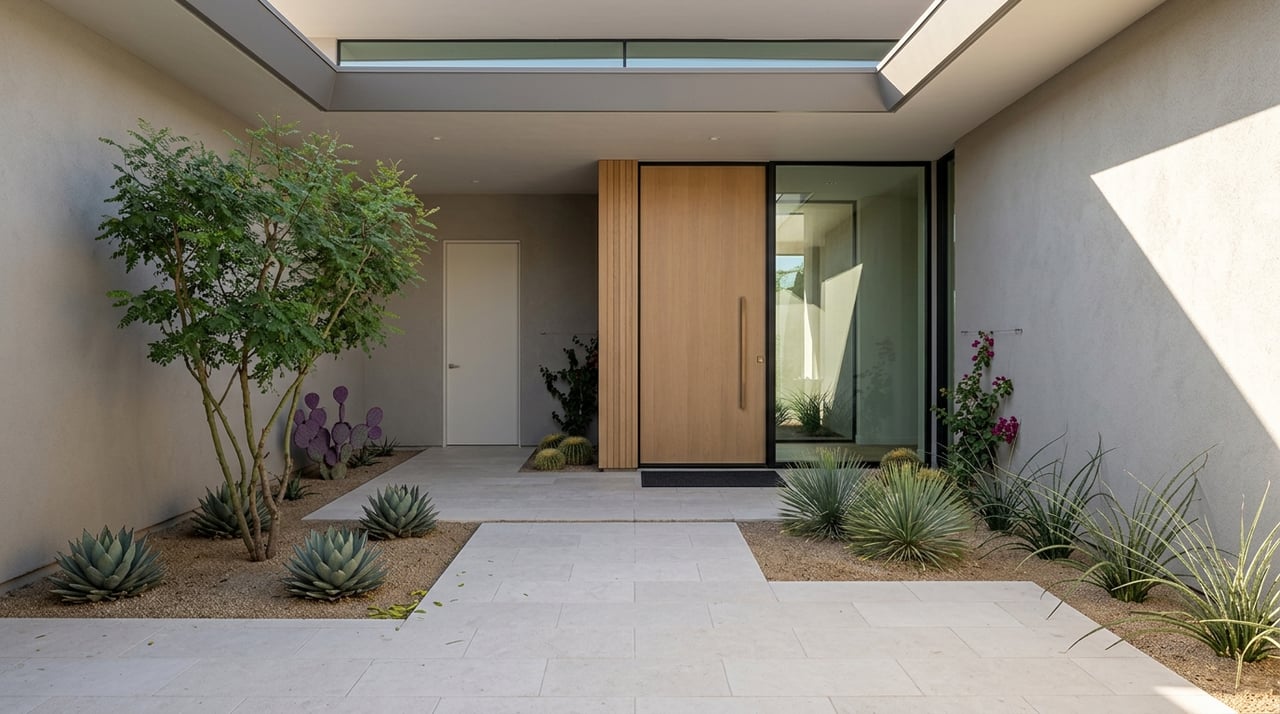
Deciding Whether to Rent Before Buying in Phoenix
April 23, 2026
April 23, 2026
If you’re moving to Phoenix, one question tends to come up fast: should you rent first, or buy right away? It’s a smart question, especially in a metro this large, this spread out, and this climate-specific. The right answer depends on how well you know the area, how certain you are about your routine, and how comfortable you feel making a long-term decision from a distance. In this guide, you’ll get a practical way to think through the rent-versus-buy decision in Phoenix so you can move forward with more clarity. Let’s dive in.
Phoenix is not a small, easy-to-learn market. According to the U.S. Census Bureau’s Phoenix QuickFacts, the city covers 518 square miles and had a 2024 population of 1,673,164. That scale matters because two homes that look similar online can lead to very different daily experiences once you factor in commute time, traffic patterns, parking, and how often you actually cross town.
The same Census source reports an average one-way commute of 25.6 minutes. That number is useful, but averages only tell part of the story. Your real experience can feel very different depending on where you live, where you work, and when you’re on the road.
For many relocators, renting first is less about waiting and more about testing. A lease gives you time to learn how Phoenix functions in real life, not just on a map or in listing photos. That can be especially valuable if you’re moving from out of state and trying to narrow down the right area, property type, or daily routine.
Phoenix also has a climate that can meaningfully affect how a home feels to live in. The National Weather Service Phoenix climate normals show an average annual temperature of 75.6°F for the 1991 to 2020 period, and the agency notes that heat is the deadliest weather hazard in Arizona. It also warns that monsoon conditions can bring lightning, high winds, dust storms, and flash flooding.
That means a rental period can do something valuable that a quick house-hunting trip cannot. It can help you experience summer heat, monsoon season, and your actual day-to-day routine before you commit to a purchase.
A drive that looks reasonable online may feel very different during rush hour or on a school morning. Renting first gives you the chance to test your real route at the times you actually travel. That can help you avoid buying in a location that looks good on paper but feels difficult in practice.
In a metro as broad as Phoenix, commute friction adds up quickly. Even if the citywide average seems manageable, your own pattern of work, errands, and weekend habits may point you toward a very different part of the market.
One of the biggest benefits of renting first is lifestyle discovery. You can learn whether a neighborhood feels aligned with your pace, whether outdoor space is usable for how you live, and whether features like a pool or low-maintenance setup feel helpful or burdensome.
This is especially important in Phoenix, where climate and layout can shape daily life more than many relocators expect. A short-term or seasonal lease can help you decide whether you prefer a house, condo, townhome, or furnished rental before making a larger commitment.
Many buyers begin their search with a broad wish list. After living in Phoenix for even a short period, that list often becomes much clearer. You may learn that garage storage matters more than square footage, or that a certain commute threshold is non-negotiable.
That kind of clarity can make your eventual home search far more efficient. Instead of buying based on assumptions, you’re buying based on lived experience.
Recent market snapshots suggest Phoenix is relatively renter-friendly compared with buying, though the data should be interpreted carefully. The Census QuickFacts page lists a median gross rent of $1,582 and median monthly owner costs with a mortgage of $1,847 for Phoenix in 2020 to 2024.
Other sources show a similar directional pattern, even though the exact figures differ. Realtor.com reported that the Phoenix-Mesa-Scottsdale metro had a median asking rent of $1,431 in January 2026, with 8.4% vacancy, and its March 2026 Phoenix for-sale report showed a median listing price of $469,838 and 52 days on market. Zillow’s March 2026 report, as summarized in the research provided, placed Phoenix typical rent at $1,735 and typical home value at $446,470.
The key point is not to compare these numbers line by line. As the Census Bureau notes, different sources use different geographies, timeframes, and methodologies, so direct comparisons can be imperfect. The practical takeaway is more straightforward: for many households, buying in Phoenix currently means a meaningfully higher monthly cash-flow commitment than renting.
Renting first is often the safer default, but it is not automatically the best path for everyone. If you already know the exact area you want, have a stable work location, and feel confident in your long-term plan, buying sooner may be more efficient.
That can be especially true if you want to avoid a second move, a second round of deposits, and the time involved in setting up a temporary home. If your location preferences are already well-defined, a rent-first phase may feel like an unnecessary extra step.
In those cases, a direct purchase can simplify the transition. The decision becomes less about market theory and more about how certain you already are.
If you do choose to rent first, it helps to treat the lease like a working test, not a pause. The goal is to gather useful information that will improve your eventual purchase decision.
A short-term, seasonal, or long-term rental can all work, depending on your timeline. What matters most is using that period intentionally.
By the end of the lease, your goal should be simple: create a clear list of must-haves, nice-to-haves, and deal-breakers. That short list often becomes the difference between a stressful search and a focused one.
The biggest downside to renting first is friction. You may move twice, pay deposits twice, and delay building equity if ownership is still your long-term goal. For some buyers, that added complexity is worth it. For others, it is not.
That is why this decision should be personal, not formulaic. In Phoenix, renting first often makes sense because the city’s size, commute patterns, and climate can be hard to fully understand until you live here. But if you already have strong local knowledge and a clear plan, buying first can absolutely be the right move.
If you are relocating to Phoenix and still deciding between areas, home types, or lifestyle priorities, renting first is usually the more measured approach. It gives you time to test the commute, experience the climate, and learn what actually fits your routine before making a larger commitment.
If you already know where you want to be and how you want to live, buying sooner may save time and reduce unnecessary moving parts. The goal is not to force one path over the other. It is to make sure your decision matches your certainty level.
If you want help evaluating whether a lease-first or buy-first strategy makes more sense for your move, Taylor Mason can help you compare options with a calm, relocation-focused approach and clear local guidance.
Stay up to date on the latest real estate trends.
I approach real estate the same way I approached the restaurant and hospitality world—as a service profession first. With a background spanning executive chef leadership, international business, and high-stakes negotiations, I bring a level of care, adaptability, and calm that my clients immediately feel.
TAYLOR MASON - RESIDENTIAL
ADDRESS 4222 N Marshall Way Ste A Scottsdale AZ 85251